The Yukon — Larger Than Life
Capital: Whitehorse · Population: approximately 46,000 · Became a territory: 1898
The Yukon punches above its weight. It's small by population (smaller than many Ontario towns), but it's bigger than France, has one of Canada's largest national parks (Kluane), holds the country's highest peak (Mount Logan at 5,959 metres), and produced the only Canadian gold rush that everyone's heard of. The licence plate motto is "Larger Than Life" and for once the marketing is accurate.
A Compact History
The Yukon is the traditional territory of fourteen Indigenous First Nations, speaking eight different languages. The Hudson's Bay Company explored the region in the 1840s. The Klondike Gold Rush of 1896-1899 is what made the Yukon famous worldwide — roughly 100,000 people set off for the Klondike, perhaps 30,000 arrived, and something like 4,000 actually found gold. Dawson City went from nothing to 40,000 people in three years, then back down to a couple of thousand. The Yukon became a separate territory in 1898 at the height of the rush. Mining is still important; tourism has become the largest private employer.
Whitehorse
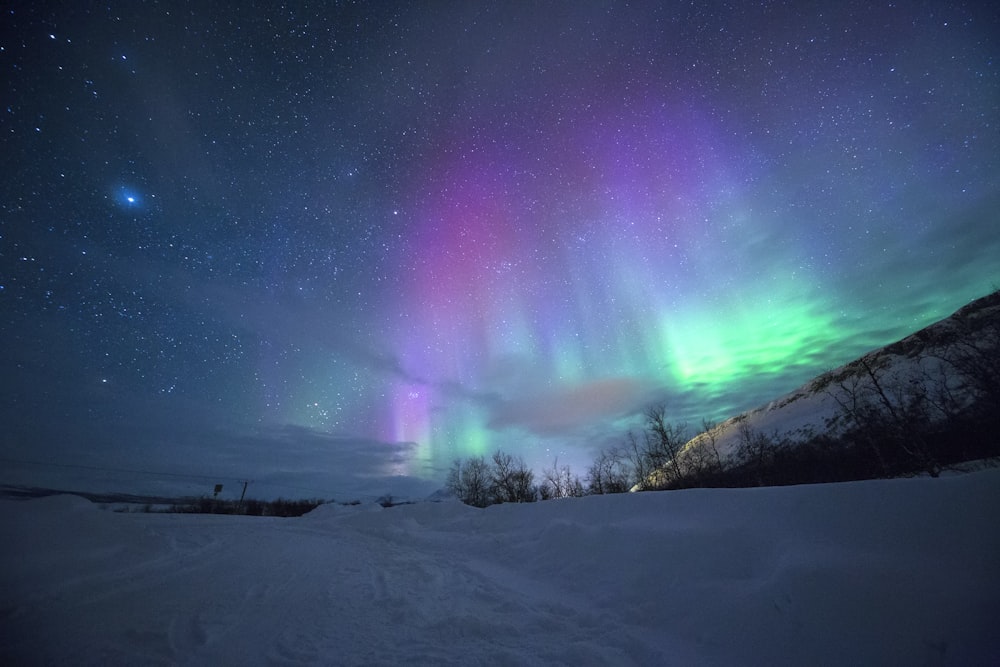
Whitehorse is the capital and by far the largest community in the territory, population about 33,000. It sits on the Yukon River in a valley sheltered by mountains on both sides, which gives it surprisingly mild weather by subarctic standards.
Is Whitehorse a real city?
Yes, more than visitors expect. It has good restaurants, two craft breweries, the MacBride Museum (the best small museum on the Klondike Gold Rush), the Yukon Arts Centre, and a year-round local theatre scene. The SS Klondike, a sternwheeler riverboat parked on the river, is a good Parks Canada historic site. The Whitehorse Fishway, on the Yukon River, has the longest wooden fish ladder in the world — it was built to help salmon get around the hydroelectric dam.
What should I do on a short visit?
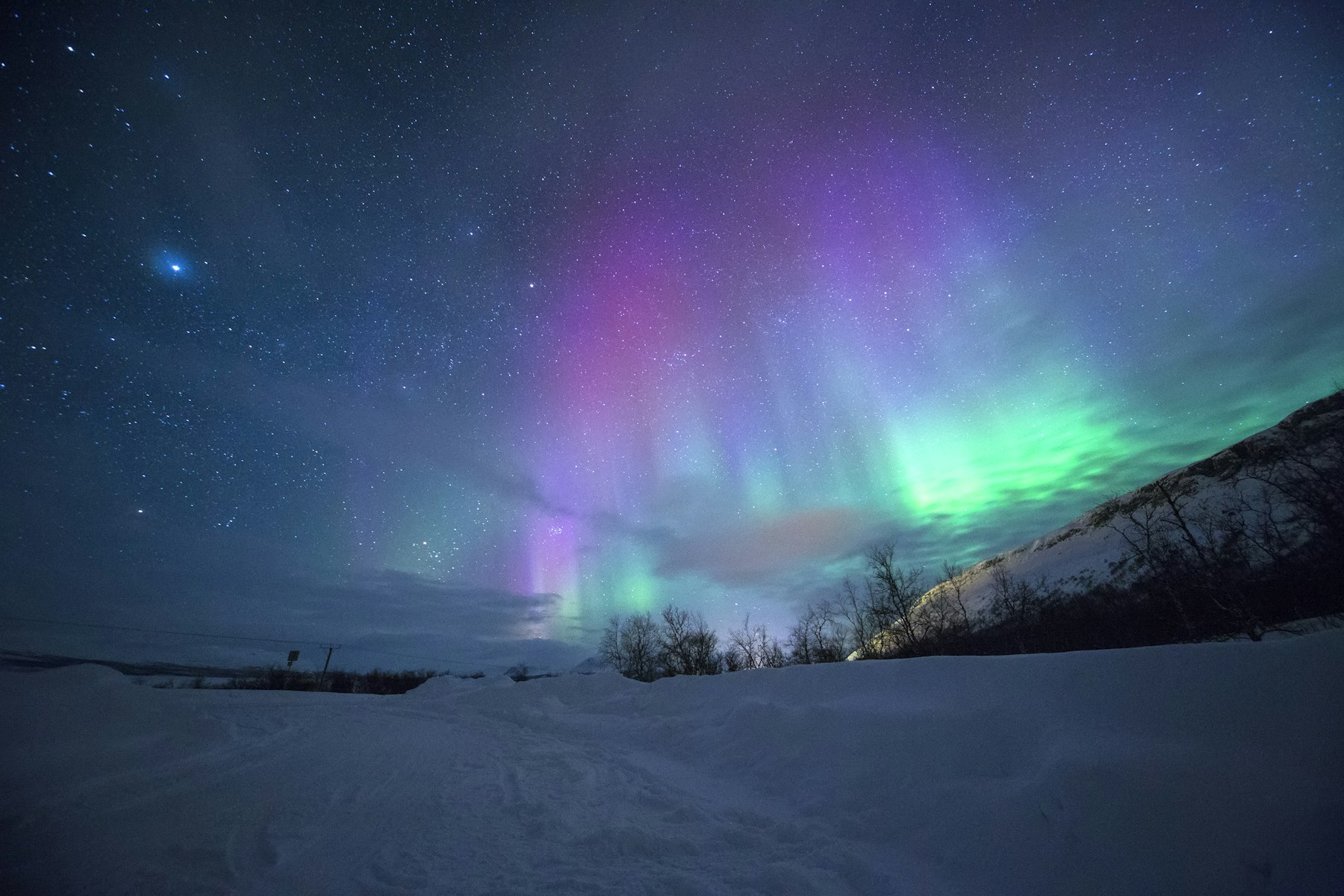
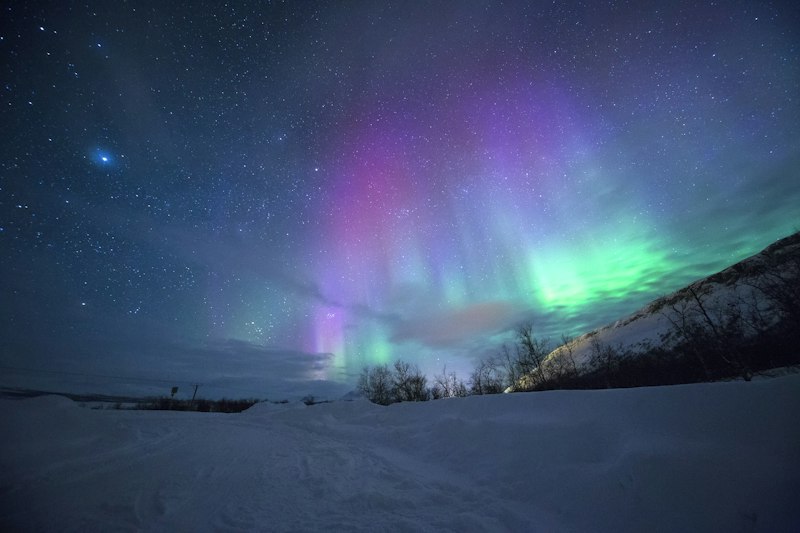
Walk the Millennium Trail along the river. Take a day trip to Miles Canyon (stunning basalt columns and a footbridge), which is 15 minutes from downtown. Drive out to Emerald Lake on the Klondike Highway — the colour is unreal and it's an easy hour's drive south. In winter, go aurora-viewing at one of the wilderness lodges an hour out of town.
How cold is Whitehorse?
Colder than Edmonton, warmer than Yellowknife. Average January highs are around -11°C and lows around -21°C. It can hit -40°C but rarely. The surprise is summer: highs can reach 28°C in July, and with 20 hours of daylight you can hike at 11 p.m.
Dawson City
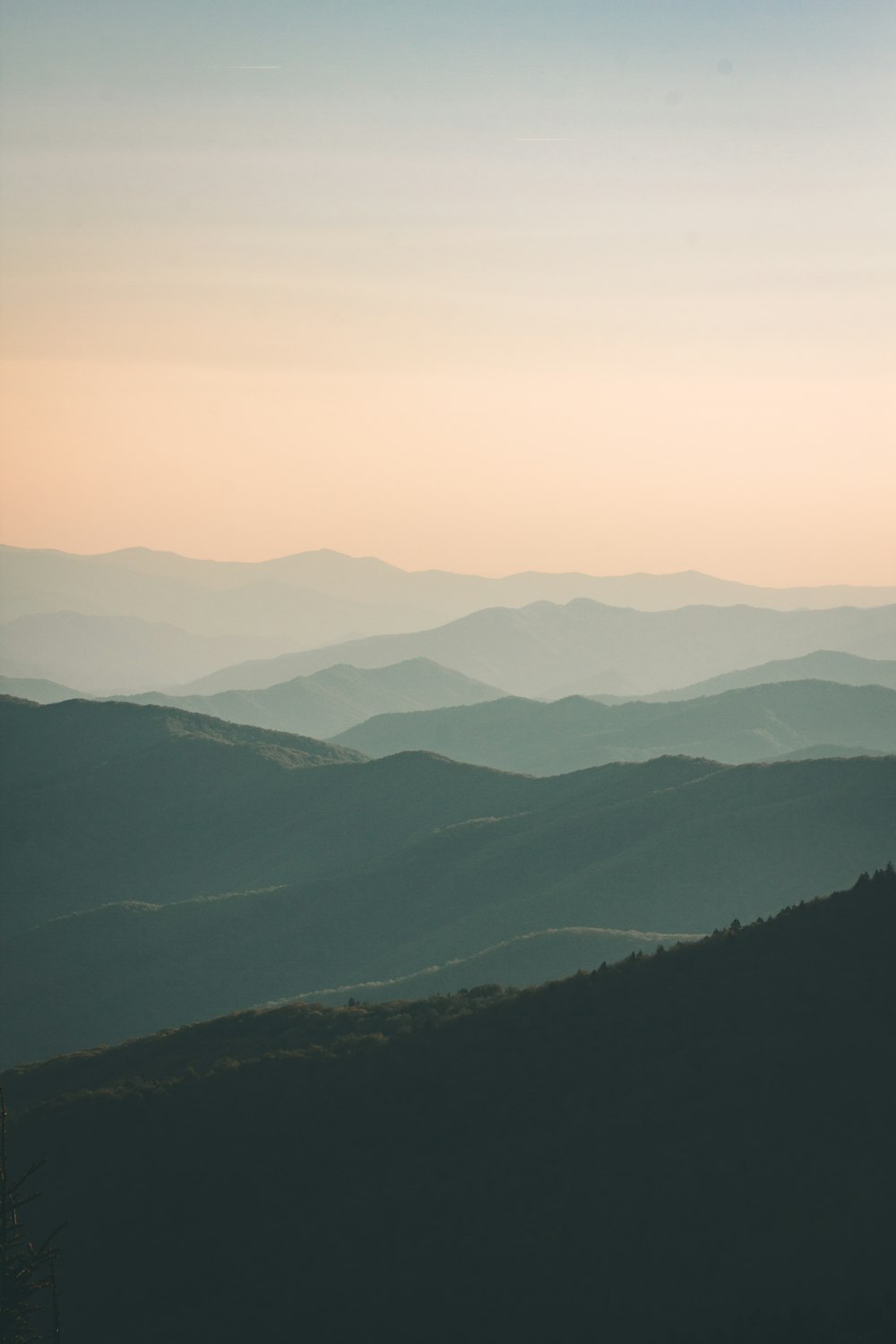
Dawson City sits at the confluence of the Yukon and Klondike Rivers, about a 6-hour drive north of Whitehorse on the Klondike Highway. Its peak population was about 40,000 during the gold rush in 1898; today it's around 1,400. The wooden sidewalks, false-fronted buildings, and unpaved streets have been preserved almost intact — Parks Canada runs much of the town as a living historic site.
Is Dawson still a gold-rush town?
Partly — placer mining is still active in the Klondike, and the dredges that reshaped the landscape a century ago are Parks Canada sites. It's also a festival town (Dawson City Music Festival in July, the International Short Film Festival in April), a writers' retreat (Pierre Berton's childhood home is now a writers-in-residence program), and the starting point of several long-distance road trips, including the Dempster Highway to the Arctic Ocean.
What's the Sourtoe Cocktail?
A drink at the Downtown Hotel's Sourdough Saloon that includes a dehydrated, mummified human toe. Your lips must touch the toe for you to become a member of the Sourtoe Cocktail Club. It's been running since 1973. Multiple toes have been lost over the years. The bar will tell you the whole history.
Is Dawson worth the drive?
Yes, if you have three days to spare. Two for Dawson and one each way on the drive. The road itself (especially the Tintina Valley stretch) is beautiful.
Kluane National Park & Reserve
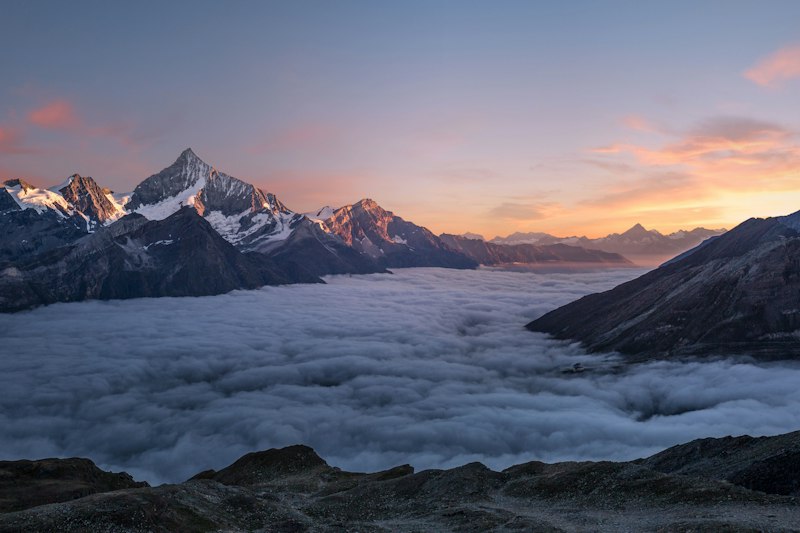
Kluane is the Yukon's flagship national park, a UNESCO World Heritage Site (together with the adjacent Wrangell-St. Elias in Alaska, Glacier Bay in Alaska, and Tatshenshini-Alsek in BC — the largest protected wilderness on Earth). Mount Logan, Canada's highest peak, is here. So is the largest non-polar icefield in the world. Most visitors don't see much of it on foot — the back country is serious mountaineering — but the visitor centre at Haines Junction, the Kings Throne day hike, and the flight-seeing tours out of Haines Junction give you a sense of the scale.
The Dempster Highway
The Dempster is the only public road in Canada that crosses the Arctic Circle. It runs 736 km from just east of Dawson City to Inuvik, Northwest Territories, and since 2017 has continued another 138 km to Tuktoyaktuk on the Arctic Ocean. It's gravel the whole way. Most drivers do it in four or five days. Only for the well-prepared — mechanical problems are serious and help is far away — but one of the great road trips in North America.
Yukon FAQs
When should I visit to see the aurora?
Mid-August through mid-April, with the darkest and clearest nights typically in February and March. Whitehorse is not as reliable as Yellowknife for aurora (it's slightly further south and has more cloud cover) but still produces good viewing 50-60 percent of nights in peak season.
How much daylight is there in summer?
In Whitehorse, about 20 hours on the summer solstice. In Dawson City, about 22 hours. Above the Arctic Circle, the sun doesn't set for a few weeks in June. The psychological effect is significant — a lot of visitors don't sleep much their first few nights in the territory in June.
How do I get to the Yukon?
Fly into Whitehorse (direct daily service from Vancouver, Calgary, and seasonally Ottawa and Toronto). Alternatively, drive up the Alaska Highway from Dawson Creek, BC — it's about 1,400 km and two full days of driving to Whitehorse.
What's a Yukon gold coin?
A collectible 1-oz pure-gold coin issued by the Royal Canadian Mint featuring a Yukon landscape scene. Different from the Gold Maple Leaf. Popular with collectors who want something Canadian but slightly unusual.
Education & Post-Secondary Institutions
The Yukon's post-secondary system is small but growing, shaped by the territory's Indigenous cultures, outdoor-focused lifestyle, and the practical needs of a small northern population. Yukon University was a landmark institution when it became Canada's first university north of 60 in 2020.
Yukon University
Canada's first university north of the 60th parallel, Yukon University offers certificate, diploma, and bachelor's degree programs in education, social work, business, Indigenous language revitalization, environment, and trades. The Cold Climate Innovation centre conducts world-relevant research on energy, building, and transportation in extreme cold. The institution reflects the partnership between Yukon's First Nations governments and the territorial government.

Ayamdigut Campus (Yukon University)
The main campus of Yukon University, 'Ayamdigut' means 'going upriver' in Southern Tutchone. The campus offers the full range of Yukon University programs and houses the Cold Climate Innovation research centre. Its architecture is designed for sub-Arctic conditions and its programs are woven through with Indigenous content.

Distance & Partnership Programs
Many Yukon residents pursue degrees through partnership arrangements with Athabasca University, Royal Roads University, and UNBC. The Yukon government provides significant bursaries and scholarships to residents pursuing post-secondary education, recognizing the challenges of accessing university in a remote territory.

Sports Teams & Athletic Culture
The Yukon has no professional teams but an outsized culture of competitive wilderness sport. Dog mushing is practiced at the highest world level, the Arctic Winter Games draw circumpolar nations, and trail running around Whitehorse is taken very seriously.
YQ 1000
Yukon Quest International
The Yukon Quest is considered the toughest sled dog race in the world — 1,000 miles from Whitehorse to Fairbanks in temperatures that can drop below −50°C. Mushers carry one spare runner and receive minimal assistance. It is one of the purest tests of endurance in sport.
AWG
Arctic Winter Games
Held every two years in rotating host communities, the Arctic Winter Games bring together athletes from Alaska, NWT, Yukon, northern Alberta, Greenland and Sápmi. Events include both mainstream winter sports and Inuit and Dene traditional games.
ARC ULTR
Yukon Arctic Ultra
The Yukon Arctic Ultra runs in February covering up to 700km. Competitors race on foot, ski or fatbike along the Yukon Quest trail. One of the coldest and most remote ultramarathon events in the world, it attracts competitors from across Europe and North America.
Culture, Arts & Identity
The Yukon's cultural life moves between Indigenous heritage, Gold Rush mythology and a frontier self-reliance that is genuine rather than performed. Whitehorse has a surprisingly vibrant arts scene, driven partly by the dark winters that send people indoors and partly by a community that skews young, educated and deliberately chosen rather than born here.
First Nations of the Yukon
Fourteen distinct First Nations call the Yukon home, each with its own language, governance and cultural traditions. The Champagne and Aishihik, Kluane, Kwanlin Dün, Little Salmon/Carmacks, Na-cho Nyäk Dun, Selkirk and White River First Nations, among others, negotiated comprehensive self-government agreements with the federal government between 1993 and 2005 — among the most advanced Indigenous governance arrangements in the country. The Yukon Native Language Centre in Whitehorse works to document and revitalize languages including Southern Tutchone, Northern Tutchone, Dän K'è and Gwich'in.
The Gold Rush
The Klondike Gold Rush of 1897–98 remade the Yukon. Dawson City grew from nothing to a city of 40,000 in less than two years, complete with operas, newspapers and brothels. Jack London spent a winter here, gathering material for Call of the Wild and White Fang. The heritage buildings in Dawson are maintained by Parks Canada and the town's summer population swells each year with visitors who sense, correctly, that something about the place is genuinely unrepeatable.
Dark Winters and Art
Whitehorse winters are long and dark — the solstice brings about five hours of daylight — and the result is a lively indoor culture. The Yukon Arts Centre is among Canada's better small-city cultural venues and consistently programs work from southern Canada and internationally alongside local productions. The Baked Café is a gathering place in a way that few restaurants outside small cities manage.