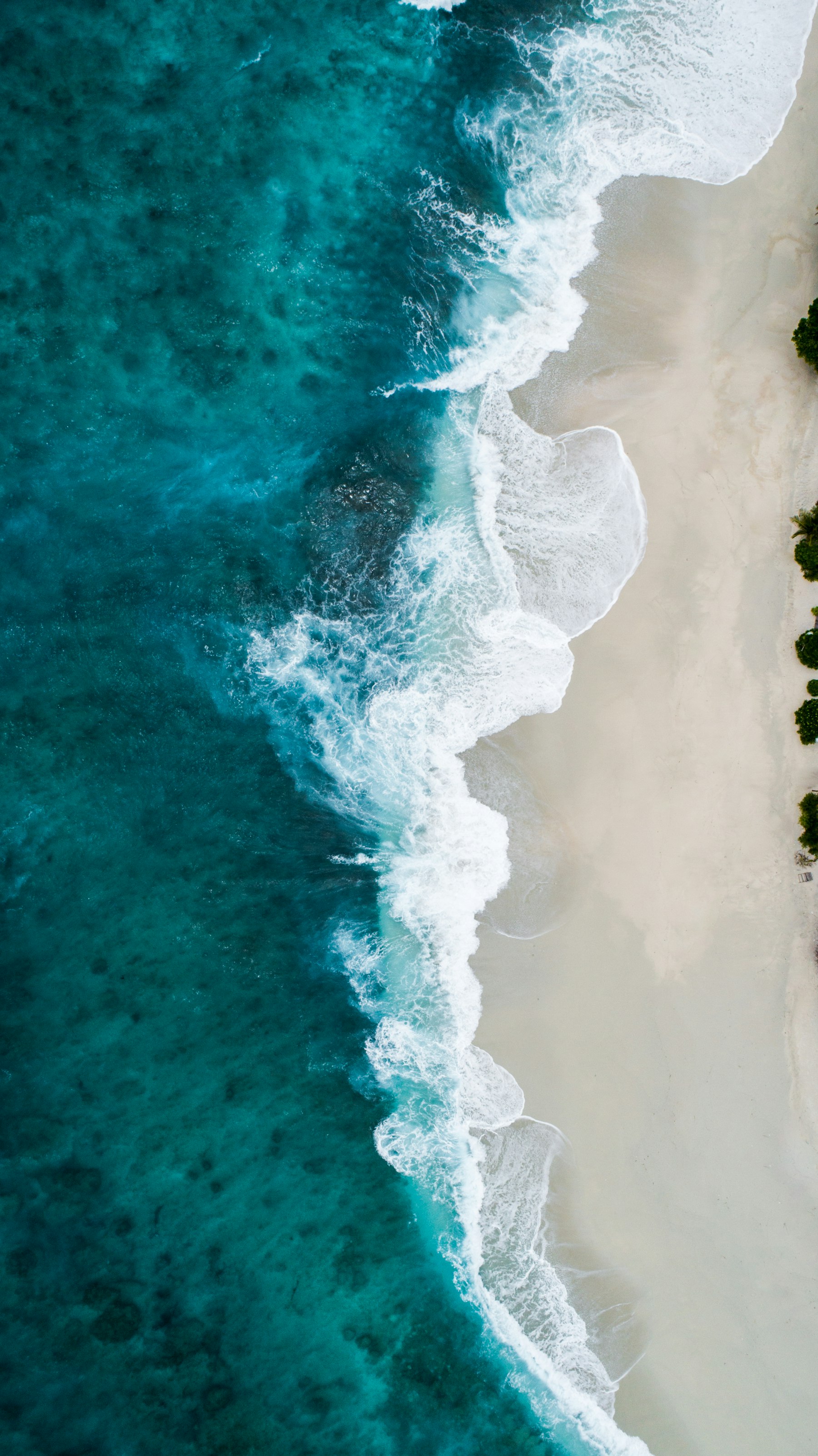
Nova Scotia — Canada's Ocean Playground
Capital: Halifax · Population: approximately 1.05 million · Joined Confederation: 1867
Nova Scotia feels like an island even where it isn't one. The ocean is always close, the light always slightly diffused through salt, the towns shaped around coves rather than intersections. It's one of the oldest European-settled parts of North America — French farmers were ploughing the Annapolis Valley while New England was still being mapped — and the layers of Mi'kmaw, Acadian, Loyalist, Gaelic-speaking Highland Scot, Black Loyalist and German settlement make the province unusually complicated for its small population. The cities are small, the distances are short, and a week gives you enough time to circle most of the province if you drive.
A Compact History
The Mi'kmaq have lived here for more than 10,000 years. The French founded Port-Royal in 1605, making it one of the earliest permanent European settlements in North America. After more than a century of back-and-forth between France and Britain, the British took control in 1710. The Acadian expulsion (le Grand Dérangement) of 1755-1764 is one of the darker chapters in Canadian history: thousands of French-speaking Acadians were forcibly deported, their farms confiscated, and many died on the ships. Some eventually returned; others settled in Louisiana, where their descendants are today's Cajuns. After the American Revolution, tens of thousands of Loyalists — white and Black — moved to Nova Scotia, doubling the population almost overnight. Waves of Highland Scottish immigration in the late 18th and 19th centuries gave Cape Breton its Gaelic character.
Halifax
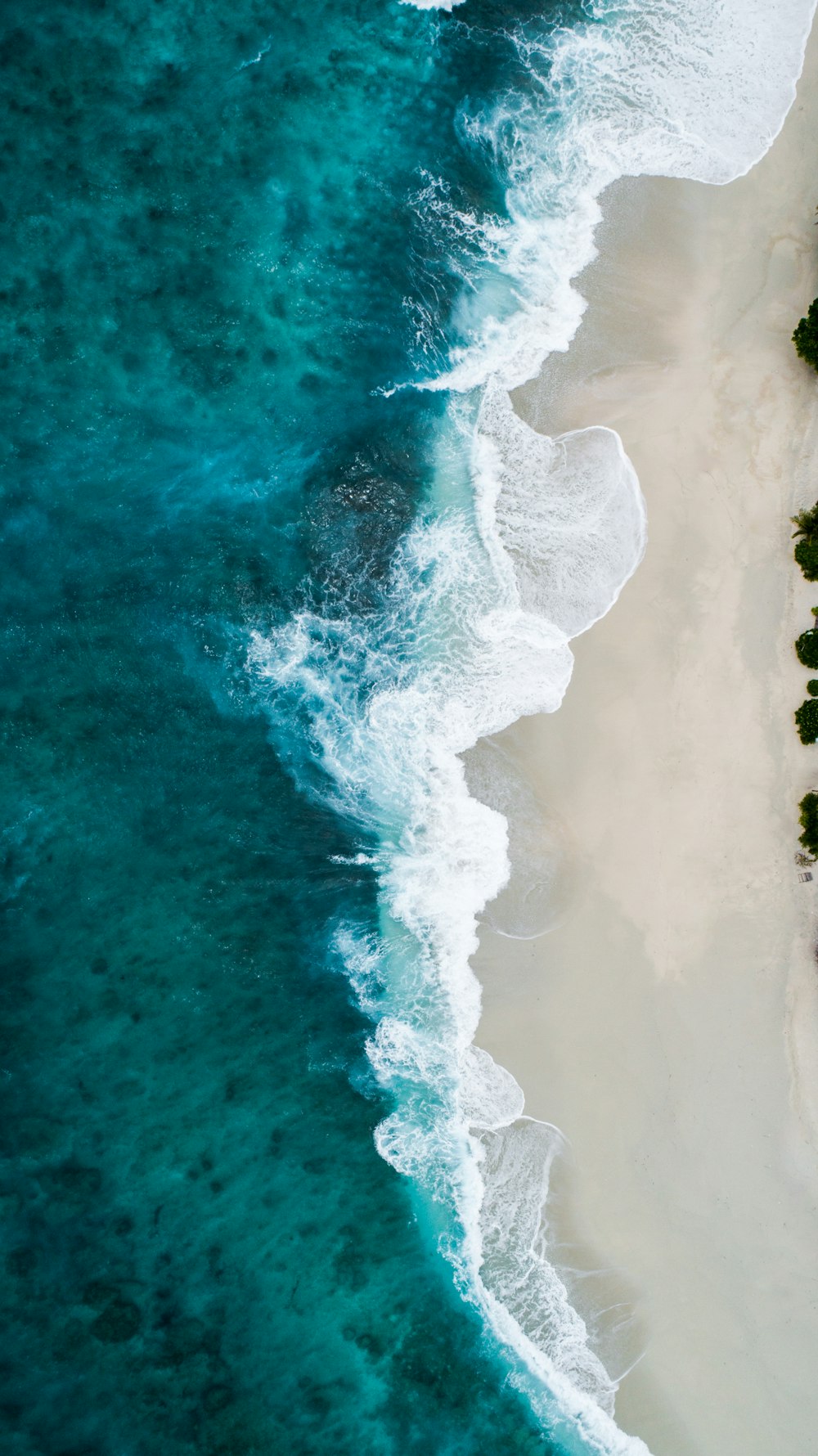
Halifax is Nova Scotia's capital and Atlantic Canada's largest city, metro population about 490,000. It sits on one of the world's great natural harbours — the second-largest ice-free harbour in the world after Sydney, Australia. The city was founded in 1749 as a military counterweight to the French fortress at Louisbourg, and the military and naval presence still shapes the downtown.
What should I see in Halifax on a first visit?
Walk the waterfront boardwalk — it runs four kilometres from the Casino to the Seaport Farmers' Market, past the Maritime Museum of the Atlantic (with excellent Titanic and Halifax Explosion exhibits), the CSS Acadia (a historic hydrographic vessel you can board), and a dozen restaurants and craft breweries. Climb up to the Citadel, the star-shaped fort on the hill above downtown, for the noon gun and the best overview of the harbour. The Public Gardens (open May through November) are one of the finest surviving Victorian pleasure gardens in North America. The Art Gallery of Nova Scotia has the Maud Lewis collection, which is more powerful in person than in photographs.
What was the Halifax Explosion?
On 6 December 1917, a French munitions ship loaded for the First World War collided with a Norwegian vessel in Halifax Harbour. Twenty minutes later it exploded — the largest man-made explosion prior to Hiroshima. More than 2,000 people were killed, 9,000 injured, and the city's north end was flattened. The Fairview Lawn Cemetery, which also holds a hundred Titanic victims, is the most moving place in Halifax to understand the scale of what happened.
How expensive is Halifax?
It has gotten noticeably more expensive in the last five years. A one-bedroom downtown rents for CAD $1,900 to $2,300 in early 2026 — up sharply from pre-2020 levels. The benchmark detached house is around CAD $580,000. Groceries and restaurants are in line with Ottawa. Nova Scotia levies a 15 percent HST, which is the highest combined sales tax in the country.
Is Halifax walkable?
Yes, the downtown is very walkable and the grid is small. From the waterfront you can reach the Citadel, the Public Gardens, Dalhousie University, and most restaurants within a twenty-minute walk. Outside the peninsula, a car helps.
What about Peggy's Cove?
Peggy's Cove, a fishing village 45 minutes southwest of Halifax, has the most photographed lighthouse in the world. It's genuinely beautiful — the red-and-white lighthouse on a scarred granite shoreline — and genuinely crowded in the summer. Go early in the morning or late in the afternoon to avoid the tour buses. The Swiss Air Flight 111 memorial, a few kilometres up the coast, is quieter and worth the stop.
Sydney & Cape Breton Island

Cape Breton is the mountainous, Celtic, proudly distinct island that makes up the northern end of the province. It's connected to the mainland by the Canso Causeway (built in 1955) and about half the size of the Netherlands. Sydney, the main city, has about 94,000 people in its metro area and was a steel-and-coal town for most of the 20th century. The steel mill and the coal mines closed in the early 2000s. The island's population has been declining for decades.
What's the Cabot Trail?
A 298-kilometre loop around the northern tip of Cape Breton, through Cape Breton Highlands National Park. It's routinely ranked among the best scenic drives in the world. Plan on three days if you want to hike; two if you just want to drive it; one if you're willing to exhaust yourself. Go counter-clockwise for easier ocean-side parking. Peak fall colours are the first two weeks of October.
What's the Fortress of Louisbourg?
A reconstructed 18th-century French fortress on the island's east coast, the largest historical reconstruction in North America. Interpreters in period costume run the whole town, which was rebuilt in the 1960s-1970s over the original ruins. It's a full-day visit and one of the best living-history sites on the continent.
What's the Gaelic connection?
Cape Breton received one of the largest concentrations of Scottish Highland immigrants anywhere outside Scotland in the 1800s, and Scottish Gaelic was the majority language of the island into the early 20th century. There are still Gaelic speakers (though the number is in the low thousands), Gaelic schools, and the Gaelic College in St. Ann's. The fiddle and step-dance tradition is strong — if you're there in the summer, try to find a ceilidh in Judique, Mabou or Glendale.
Lunenburg & the South Shore
Lunenburg is a UNESCO World Heritage Town, population about 2,300, on the South Shore about 90 minutes from Halifax. Its 18th-century waterfront layout is nearly intact. The Bluenose II — a replica of the famous racing schooner that appears on the Canadian dime — is based here. The old town is walkable in an hour, the Fisheries Museum of the Atlantic is worth an afternoon, and the drive further south along Highway 3 (past Mahone Bay, Chester and Hubbards) is one of the prettiest short drives in the province.
The Annapolis Valley & Wolfville
The Annapolis Valley, running from Digby to Windsor, is the most productive agricultural land east of the St. Lawrence — a long, sheltered valley that grows apples, wine grapes, corn and hay. Wolfville is the valley's university town (Acadia University) and the centre of Nova Scotia's wine country. The Tidal Bore at Truro, where the Bay of Fundy's tides race up the Salmon River, is a geological oddity worth seeing once.
Nova Scotia FAQs
What's the best time to visit?
Mid-June through October. July and August are peak; September is probably the sweet spot (warm ocean, fewer bugs, no crowds). October is spectacular on the Cabot Trail. Winter is long and foggy rather than extreme — temperatures rarely drop below -15°C but the damp cold cuts through layers.
Are lobsters as good as people say?
Yes, and they're still relatively affordable here. A lobster dinner at a wharf-side restaurant runs CAD $35-$55 for a one-pound lobster with sides — less than you'd pay for the equivalent in New York or Boston. The lobster season varies by district; the best fresh lobster is generally late April through late June on the South Shore.
How do I get around without a car?
With difficulty. Halifax has a reasonable bus system (and ferries to Dartmouth). Between cities, Maritime Bus runs daily services to Moncton, Charlottetown and on to the rest of the Maritimes. But to see the Cabot Trail, the South Shore, the Valley, or anywhere rural, you need a car.
How do I get to Cape Breton?
Drive — about 4 hours from Halifax to Sydney across the Canso Causeway. Fly — JA Douglas McCurdy Sydney Airport has a handful of daily flights from Halifax and Toronto. There's no longer passenger train service in Nova Scotia.
Is the ferry to Newfoundland worth it?
Marine Atlantic runs ferries from North Sydney to Port aux Basques (7 hours) and, in summer, to Argentia near St. John's (16 hours). For a road trip that takes in both Cape Breton and Newfoundland, it's essential. Book weeks in advance in summer.
Education & Post-Secondary Institutions
Nova Scotia has one of the highest concentrations of universities per capita of any province in Canada, with a cluster of diverse institutions in Halifax and smaller colleges and universities across the province serving a long tradition of accessible higher education.
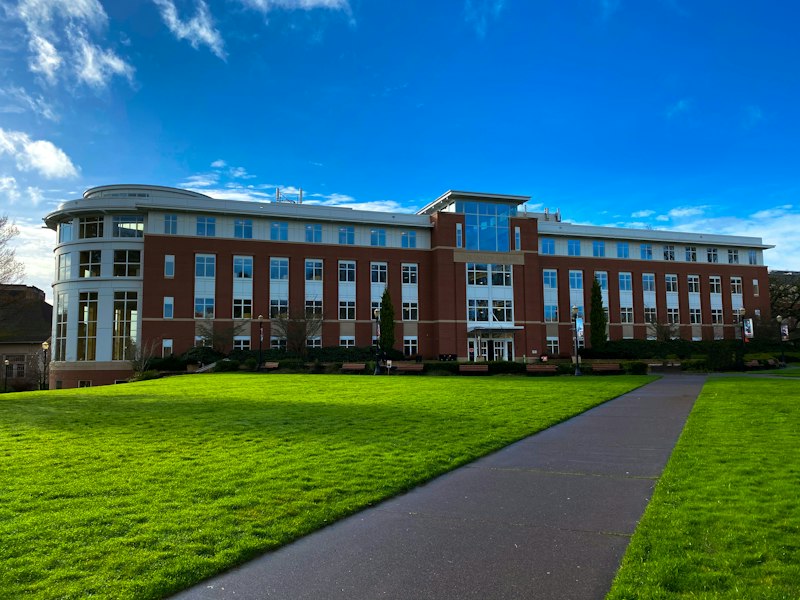
Dalhousie University
Nova Scotia's flagship research university and Atlantic Canada's leading institution, Dalhousie is known for its faculties of law, medicine, dentistry, oceanography, and management. The Schulich School of Law and Faculty of Medicine are among the most respected in Canada. Dal's ocean sciences and marine biology programs are world-class, befitting a coastal province.

Saint Mary's University
One of Canada's oldest English-language universities, SMU is known for its Sobey School of Business (highly regarded for commerce and MBA programs), astronomy, criminology, and international programs. Saint Mary's has a notably diverse and international student body.

NSCAD University
The Nova Scotia College of Art and Design, one of Canada's oldest and most respected art universities. NSCAD is internationally recognized for fine arts, craft, design, and media arts. A small institution with an outsized impact on Canadian visual culture.

Acadia University
A respected undergraduate university in the Annapolis Valley, known for strong programs in education, business, music, biology, and computer science. Acadia was the first Canadian university to require all students to have a laptop (in 1996) — a pioneering step in technology-integrated education.

Cape Breton University (CBU)
Cape Breton Island's university, known for nursing, business, community studies, and Indigenous studies. CBU has a notably high proportion of international students and is an important economic and cultural anchor for Cape Breton.
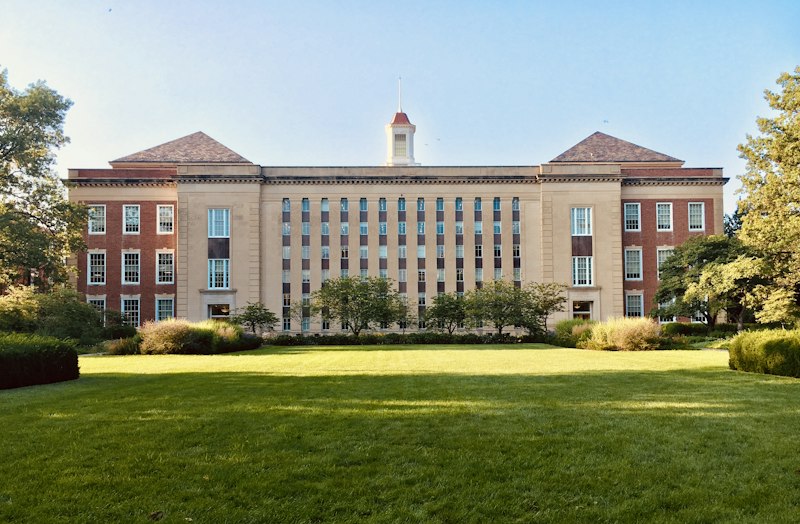
NSCC – Nova Scotia Community College
The province-wide college system with campuses from Yarmouth to Sydney, offering programs in trades, technology, business, health, and community services. NSCC is consistently recognized as one of Canada's top community colleges for applied learning and industry partnerships.
Sports Teams & Athletic Culture
Nova Scotia is hockey country to its bedrock. The province has produced more NHL players per capita than almost anywhere else in Canada, and the Mooseheads fill the gap left by having no NHL team with fanatical junior-hockey passion.
 MHEADS
Halifax Mooseheads
The pride of Maritime junior hockey. The Mooseheads play at Scotiabank Centre in Halifax to crowds that make bigger-city venues envious. The franchise has won the Memorial Cup and consistently develops players who move straight to the NHL.
 RNSYS
RNSYS
Royal Nova Scotia Yacht Squadron
Dating to 1837, the RNSYS is one of the oldest yacht clubs in North America. Chester Race Week is among the most prestigious keelboat regattas on the continent. The Bluenose II, a replica of the legendary racing schooner, sails from nearby Lunenburg.
 HSKIES
Saint Mary's Huskies
Saint Mary's and Dalhousie compete in the AUS (Atlantic University Sport) conference with genuine community support. University sport is taken seriously in Halifax and the AUS has produced many professional athletes.
Culture, Arts & Identity
Nova Scotia is one of the most culturally specific places in Canada. The province's Acadian, Mi'kmaq, Black Loyalist, Irish and Scottish identities don't blend into a generic "Atlantic Canadian" voice so much as coexist, sometimes uncomfortably, in close proximity. The result is a place with a strong sense of itself.
Celtic Music and Cape Breton
Cape Breton Island is one of the last places in the world where Gaelic is spoken as a community language and where Cape Breton fiddle music — a direct descendant of Scottish and Irish traditions brought by 18th and 19th-century immigrants — is still played at kitchen parties rather than just on stages. The Celtic Colours International Festival every October draws musicians from Scotland, Ireland and across the Celtic diaspora. Natalie MacMaster and Ashley MacIsaac, two of the world's finest Celtic fiddlers, are both Cape Bretoners.
The Acadian Legacy
French-speaking Acadians settled what is now Nova Scotia in the early 1600s, making it one of the oldest European settlements in North America. The Deportation of the Acadians (1755–1764), when the British expelled the population from their farms, is a defining trauma that continues to shape Acadian identity across Atlantic Canada. The village of Grand Pré in the Annapolis Valley, now a UNESCO World Heritage Site, is the spiritual centre of this memory.
The Black Loyalist Heritage
Nova Scotia has the oldest Black community in Canada, descended from Black Loyalists who came north after the American Revolution. The settlement of Africville in Halifax, bulldozed for industrial development in the 1960s in what the Nova Scotia government has since acknowledged as a racist act, remains a charged site of memory. The Museum of Nova Scotia's Black History exhibit addresses this history with care.
Food and the Sea
Nova Scotia seafood is serious. Lobster hauled from the Bay of Fundy and the Eastern Shore is some of the best in the world. The Digby scallop is a distinct product worth seeking out — larger and sweeter than sea scallops from other regions. The Halifax Donair — spiced beef, sweet sauce, onion, tomato in a pita — is the city's own fast-food invention, different enough from its Middle Eastern ancestors to constitute its own food culture.