
Nunavut — Our Land
Capital: Iqaluit · Population: approximately 40,000 · Became a territory: 1999
Nunavut is the part of Canada most southerners don't really understand exists. It's vast — 2 million square kilometres — and almost entirely beyond the road system of the country. Its 25 communities are spread across the Arctic mainland and the islands of the Canadian Arctic Archipelago, including Baffin, Ellesmere, Devon and Victoria. The territory was carved out of the Northwest Territories in 1999 as the result of decades of land-claim negotiation, and it remains the largest political division in the world that's governed primarily by Indigenous people.
Visiting Nunavut is not a casual trip. Flights are expensive (a return ticket from Ottawa to Iqaluit can cost more than a flight to Europe), accommodation is limited and basic, weather is extreme, and the culture is genuinely different from anywhere else most travellers have been. But for visitors who do make the trip, almost without exception they describe it as among the most memorable travel experiences of their lives.
A Compact History
The Inuit and their predecessor cultures (the Dorset and the Thule) have lived in the Arctic for at least 4,000 years. European contact began with Martin Frobisher's voyage to Baffin Island in 1576. The Hudson's Bay Company arrived in the 1600s. Permanent European settlement was minimal until the 20th century. The federal government's relocation of Inuit families to High Arctic communities in the 1950s — including the deeply controversial Resolute Bay and Grise Fiord relocations — was officially apologized for in 2010. The Nunavut Land Claims Agreement, signed in 1993, was the largest Indigenous land claim settlement in Canadian history; it created the territory of Nunavut six years later.
Iqaluit

Iqaluit is the territorial capital, population about 7,500, and the only community in Nunavut with anything resembling typical urban infrastructure. It sits on the southern end of Baffin Island on Frobisher Bay, which has the second-highest tides in the world after the Bay of Fundy.
What's it actually like?
Smaller than visitors expect, more functional than they expect, and very expensive. The Frobisher Inn or Discovery Lodge are the main hotels — both basic but adequate. There are several restaurants serving country food (caribou, arctic char, muktuk — whale skin and blubber) alongside more conventional food. The Nunatta Sunakkutaangit Museum has the best small collection of Inuit art in the country. The Legislative Assembly building, opened in 1999, is open for tours when the assembly isn't sitting.
Why are prices so high?
Everything has to be shipped in — either by sealift in late summer or by air. A two-litre carton of milk in Iqaluit costs around CAD $9; a head of lettuce can be CAD $7. The federal government's Nutrition North subsidy reduces the cost of a basket of basic foods, but the territory remains by far the most expensive place to live in Canada.
How do I get to Iqaluit?
Fly. Canadian North operates daily direct flights from Ottawa (about 3 hours) and several times a week from Yellowknife and Rankin Inlet. There is no road, no rail, and only a brief sealift season in late summer that's strictly cargo.
What's the weather like?
Cold, with two important caveats. Iqaluit's winter (October through May) sees average highs of -20°C with regular -30°C cold snaps. Summer (June through August) sees highs of 8-12°C and 24-hour daylight in June. Spring (April-May) and fall (September) are short and unpredictable. Wind chills are extreme — you can lose feeling in fingers in minutes if you're not dressed for it.
Pond Inlet & Northern Baffin
Pond Inlet, on the northern tip of Baffin Island, is one of the most spectacularly situated communities in the world. The Bylot Island ice cap and the cliffs of Sirmilik National Park rise straight out of the sea ice across the bay. Narwhal, beluga, and bowhead whales pass through the strait every summer. Outfitters in Pond Inlet run floe-edge tours in May and June — you camp on the ice next to the open water and watch wildlife move through. It is one of the great wildlife experiences in North America.
Auyuittuq National Park
Auyuittuq, on the eastern coast of Baffin Island near Pangnirtung, is one of two National Parks in Nunavut and the easiest one to access. The Akshayuk Pass is a 100-kilometre traverse through some of the most dramatic granite-and-glacier mountain country on Earth — Mount Asgard and Mount Thor (which has the world's highest vertical drop, 1,250 metres) are both inside the park. Most trekkers hire an outfitter from Pangnirtung; the trek takes 8 to 12 days.
Cambridge Bay & the Western Arctic
Cambridge Bay, on Victoria Island, is the largest community in the Kitikmeot region (Western Nunavut), population about 1,800. It's the main hub for Northwest Passage research and tourism. Cruise ships transit the passage in late August through early September; small-ship expedition cruises are increasingly the most accessible way for visitors to see this part of the territory.
Nunavut FAQs
What's Inuktitut?
The primary Inuit language of Nunavut, spoken by about 70 percent of residents. It's an official language of the territory alongside English and Inuinnaqtun (a related Inuit language) and French. Government services are available in all four. The writing system uses syllabics — a series of geometric symbols that may be unfamiliar to southern visitors but is taught in every Nunavut school.
Will I see polar bears?
Possibly, but it's not as predictable as Churchill, Manitoba. Polar bears are present across the territory but at lower densities than the Hudson Bay coast. Outfitters out of Pond Inlet, Resolute, and Arctic Bay run dedicated bear-viewing trips that have a high success rate.
How safe is travel in Nunavut?
From the perspective of crime against visitors, very safe — communities are tight-knit and crime against outsiders is extremely rare. From the perspective of weather and isolation, you need to take it seriously. Always travel with a local guide outside community limits. Polar bears are a real risk in many places.
Is Nunavut suitable for casual tourists?
It's not a casual destination. Costs are high, distances are long, infrastructure is limited, and self-guided travel is risky. Most successful visits are organized through specialized northern operators (Adventure Canada, Arctic Kingdom, Black Feather, and a number of community-based outfitters). Plan a year ahead.
What's a sealift?
The annual cargo ship that brings most of the year's bulky supplies (vehicles, building materials, non-perishable food, fuel) to each Nunavut community when the sea ice retreats in late summer. Anything not on the sealift has to come by air at much higher cost. Communities track sealift schedules the way southern cities track weather.
Education & Post-Secondary Institutions
Canada's newest territory, Nunavut has a developing post-secondary system focused on making higher education accessible in a territory where communities are separated by vast distances and accessible only by air. Emphasis is placed on Inuit language, culture, and northern-relevant skills.

Nunavut Arctic College (NAC)
Nunavut's primary post-secondary institution, offering certificate and diploma programs in teacher education, nursing, social work, business, trades, and Inuit studies. NAC's Nunavut Teacher Education Program (NTEP) trains Inuit teachers for the territory's schools. The Pirurvik Centre in Iqaluit focuses on Inuktitut language revitalization.

Nunavut Law Program
A partnership between Nunavut Arctic College, the University of Saskatchewan, and Dalhousie University, this program trains lawyers in Nunavut with an emphasis on northern and Indigenous law. It is a critical response to Nunavut's severe shortage of legal professionals.
Distance Learning Partnerships
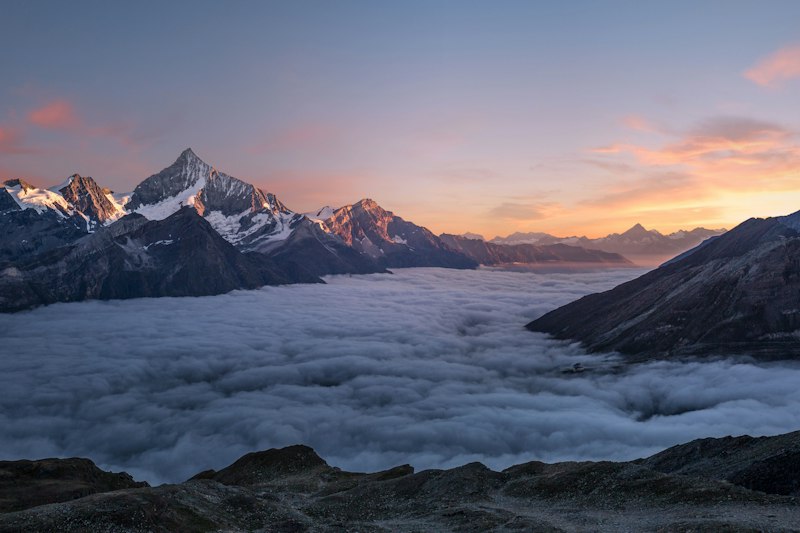
Many Nunavummiut pursue degrees through Athabasca University, the University of Manitoba, and other institutions offering strong distance programs. The territorial government provides scholarships and bursaries to support residents pursuing post-secondary education in the south or via distance.


Sports Teams & Athletic Culture
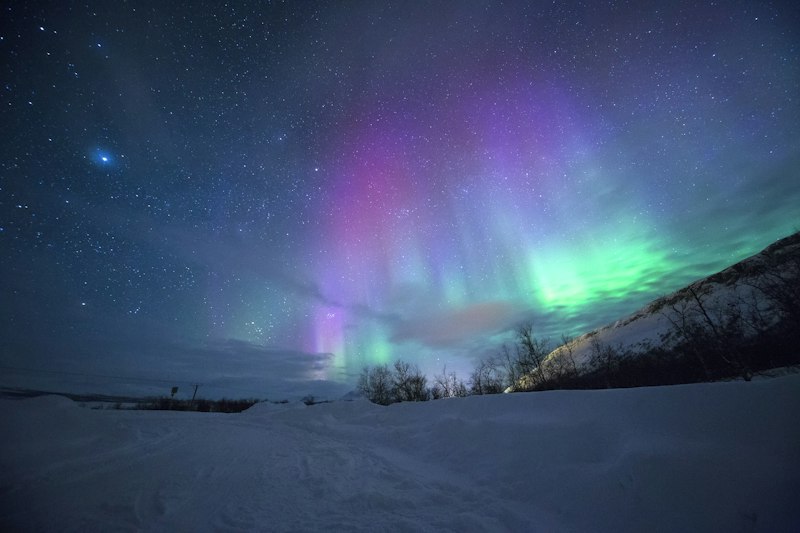
Nunavut is the only Canadian jurisdiction where Inuit traditional games are the primary sporting tradition. The Arctic Winter Games and community-level competitions sustain an athletic culture rooted in practical Arctic skills.
INUIT GMS
Inuit Traditional Games
The Inuit traditional games — one-foot and two-foot high kicks, kneel jump, blanket toss, arm pull — were developed over centuries as tests of strength and agility needed for Arctic survival. They are practiced today as both sport and living cultural preservation.
AWG NU
Nunavut at the Arctic Winter Games
Nunavut sends athletes to the biennial Arctic Winter Games to compete against Alaska, NWT, Yukon and other circumpolar jurisdictions. Nunavut competitors have won in traditional Arctic events, cross-country skiing and snowshoeing.
 COMM HCKY
Community Hockey in Nunavut
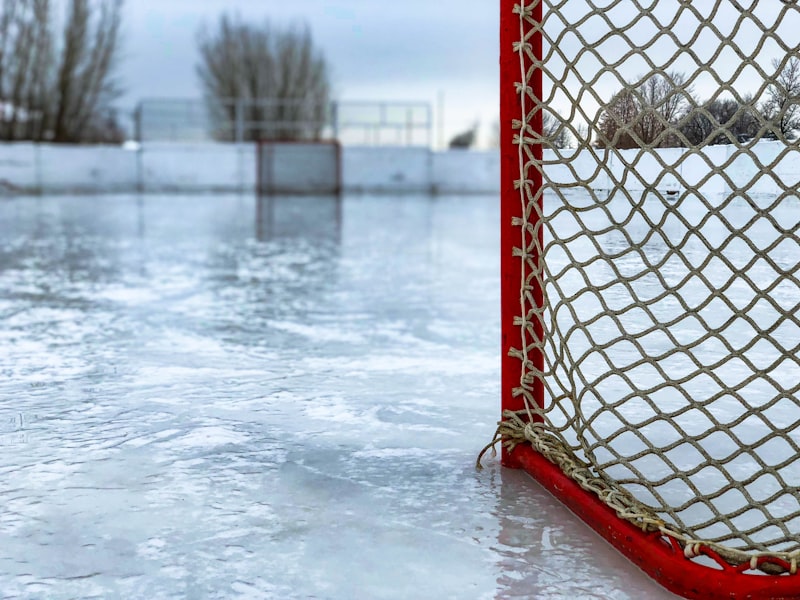
Every hamlet large enough to support a rink has a hockey culture. The Nunavut government has funded arena construction across the territory. Jordin Tootoo, from Rankin Inlet, was the first Inuk to play in the NHL — a fact of enormous cultural significance here.
Culture, Arts & Identity
Nunavut was created on April 1, 1999, carved out of the Northwest Territories as the result of two decades of Inuit political organizing. The territory is Inuit-governed in a way that no other Indigenous jurisdiction in Canada matches at the territorial level. Inuktitut is a co-official language alongside English and French, and the territorial government conducts its business in Inuktitut.
Inuit Art
Nunavut is home to one of the great traditions of contemporary Indigenous art in the world. Printmaking began in Cape Dorset (Kinngait) in the late 1950s when James Houston introduced the technique to local Inuit artists. The work produced there — by Kenojuak Ashevak, Pitseolak Ashoona, Pitaloosie Saila and dozens of others — is now in museums on every continent. The Inuit sculpture tradition, in stone, bone and antler, was already centuries old when it entered the international art market. Nunavut's artists continue to produce work of extraordinary power.
Language and Identity
Inuktitut is spoken by roughly 65 percent of Nunavut's population as a first language — the highest rate of Indigenous language use of any Canadian jurisdiction. The language has its own writing system: Inuktitut syllabics, developed by missionary James Evans and adapted for Inuktitut, are still used in print media, signage and government documents. Language revitalization is an ongoing political issue as younger generations navigate schooling in English.
The Land
In Nunavut the relationship to the land is not nostalgic or recreational — it is immediate and ongoing. Many families in smaller communities still hunt, fish and harvest on the land for a significant portion of their food. The harvesting of country food — narwhal, caribou, arctic char, ringed seal, beluga — is both economic necessity and cultural practice. Inuit land knowledge, accumulated over thousands of years, is one of the most detailed bodies of ecological observation in the world.