Prince Edward Island — The Gentle Island
Capital: Charlottetown · Population: approximately 175,000 · Joined Confederation: 1873
PEI is the province that everyone says they'd like to retire to. It's quiet, it's green, it's warm in the summer in a way that the rest of Atlantic Canada isn't, and the scale of it is immediately legible — you can circle the whole island in a day and see a third of the population you'll encounter back in their home villages by evening. It's also, in the summer tourist season, one of the most crowded small places in Canada; the population roughly doubles between July and September, and the two-lane roads to Cavendish can crawl.
A Compact History
The Mi'kmaq called the island Epekwitk, meaning "cradled on the waves." French settlers arrived in the early 1700s and called it Île Saint-Jean; it was renamed Prince Edward Island after the British takeover in 1799. The colony held the Charlottetown Conference in September 1864 — the meeting credited as the starting point of the Canadian Confederation negotiations — but declined to join Canada at the time, largely over railway disputes. PEI finally joined in 1873, largely because the colony had gone broke building a railway.
The modern economy is agriculture (potatoes are the dominant crop), fisheries (lobster and oysters), and tourism. The Confederation Bridge, opened in 1997, connects PEI to New Brunswick and ended 280 years of ice-boat, steamer and ferry travel to the mainland. The island is also going through a rapid demographic change — its population grew about 14 percent between 2016 and 2023, faster than any other province.
Charlottetown
Charlottetown is the provincial capital, population about 40,000 in the city itself and 85,000 in the metro area. It's the smallest provincial capital in Canada by population and arguably the most architecturally coherent — the downtown has kept a late-19th-century scale that the bigger Maritime capitals have lost.
What should I see?
Province House, the Georgian legislative building where the 1864 conference happened, has been under restoration for several years and is expected to partially reopen in 2026 — check current status. The Confederation Centre of the Arts next door runs the Anne of Green Gables musical every summer (it's been running continuously since 1965, the longest-running annual musical in the world). The waterfront boardwalk runs around Peake's Wharf, a working harbour with tour boats and restaurants. Victoria Row, a pedestrian-only block of red-brick buildings between Richmond Street and Kent Street, is the eating-and-drinking centre of the city.
Is Charlottetown worth a full stay?
Two nights is enough to see the city itself; use it as a base for day trips to Cavendish, Victoria-by-the-Sea, and the eastern beaches. The city empties out after the tourist season ends in mid-October.
Cavendish & Anne of Green Gables Country
Cavendish is the small north-shore community where L.M. Montgomery grew up and where she set her 1908 novel "Anne of Green Gables," which has sold more than 50 million copies and become a global phenomenon (particularly in Japan, where Anne is a cultural touchstone). The Green Gables farmhouse, owned by Parks Canada, is a reconstructed version of the house that inspired the novel. The Montgomery Birthplace and her gravesite are also nearby.
Is the tourist infrastructure overwhelming?
In peak summer, yes. There's a strip of attractions on Highway 6 (mini-golf, water parks, a wax museum) that isn't where anyone wants to be. Most of the island outside this one corridor is still quiet and rural. The Cavendish National Park beach, with red cliffs and warm water, is genuinely lovely even in the busiest week.
What about Japanese tourists and Anne?
Anne of Green Gables has been required reading in Japanese schools since 1952 and is enormously popular there. Japanese tourism to PEI has been an important part of the island's tourist economy for decades. Signs at Green Gables are frequently translated into Japanese.
Summerside
Summerside is the island's second city, population about 16,000, on the south shore about 40 minutes west of Charlottetown. It's quieter than the capital and has a lovely boardwalk along Bedeque Bay. The College of Piping — one of the few dedicated Celtic music schools in North America — hosts a summer concert series that is one of the island's best-kept secrets.
The East & the West Ends
Eastern PEI (Souris, East Point, the Points East Coastal Drive) is the quieter, less-touristed half of the island. Basin Head beach has "singing sands" — the quartz sand makes a soft whistling sound when you walk on it — and is arguably the finest beach on the island. Western PEI (Tyne Valley, West Point, the North Cape Coastal Drive) has the windmills at North Cape and the only Acadian-majority communities on the island.
PEI FAQs
How do I get to PEI?
Three options. Drive across the Confederation Bridge from New Brunswick (13 km, 10-12 minutes, toll about CAD $50 only on leaving the island). Take the ferry from Caribou, Nova Scotia to Wood Islands (75 minutes, seasonal — May through December, toll about CAD $83 only on leaving). Fly into Charlottetown airport, which has direct flights from several Canadian cities and seasonal service from a few U.S. hubs.
Why do the beaches have red sand?
The island sits on a bed of iron-rich red sandstone. When the stone erodes, the sand carries the iron. When iron meets air, it oxidizes — which is the same process that rusts a nail. The sand is literally rusting. It's not toxic, but it will stain light-coloured clothing.
What's the best time to visit?
July and August for warm water and everything open. September is cooler but still bearable and much less crowded. October for fall colours. Much of the tourist economy closes between mid-October and late May. Winters are milder than the mainland but still snowy.
Are PEI potatoes really different?
They're grown in iron-rich red soil, which PEI farmers argue gives them a firmer texture and sweeter flavour than most commercial potatoes. The island produces about a quarter of Canada's potato crop on a small fraction of the arable land.
Are the oysters any good?
Malpeque oysters are among the most famous in North America, and Colville Bay oysters are increasingly considered the best. The oyster season runs roughly mid-September through May. Any waterfront restaurant will serve them; Carr's Oyster Bar in Stanley Bridge is the classic pilgrimage.
Education & Post-Secondary Institutions
Prince Edward Island is Canada's smallest province, but it maintains a complete post-secondary system anchored by UPEI and Holland College, offering island students quality education close to home and welcoming increasing numbers of international students.
University of Prince Edward Island (UPEI)
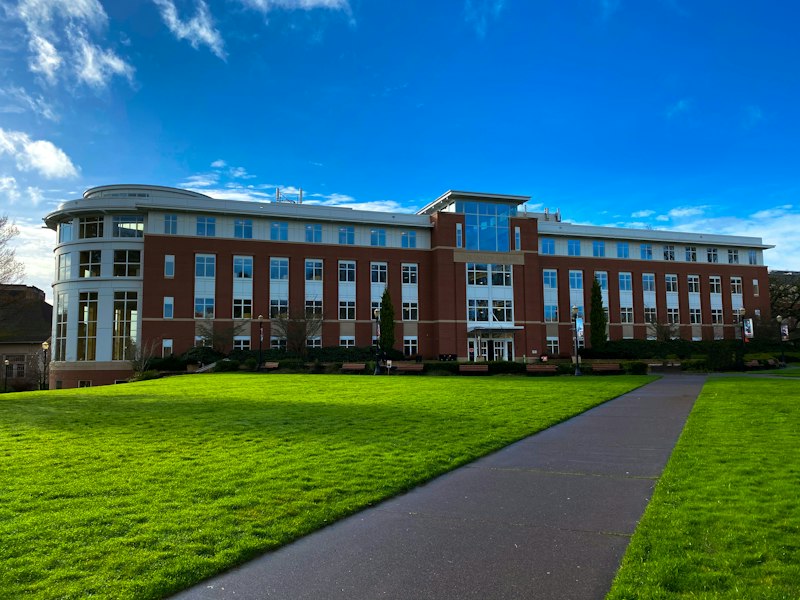
PEI's only university, UPEI is home to the Atlantic Veterinary College — one of only five veterinary schools in Canada and a centre for aquaculture and animal health research critical to the island's agricultural and fishery industries. Also known for nursing, business, education, and arts. UPEI has seen dramatic growth in international student enrollment.
Holland College
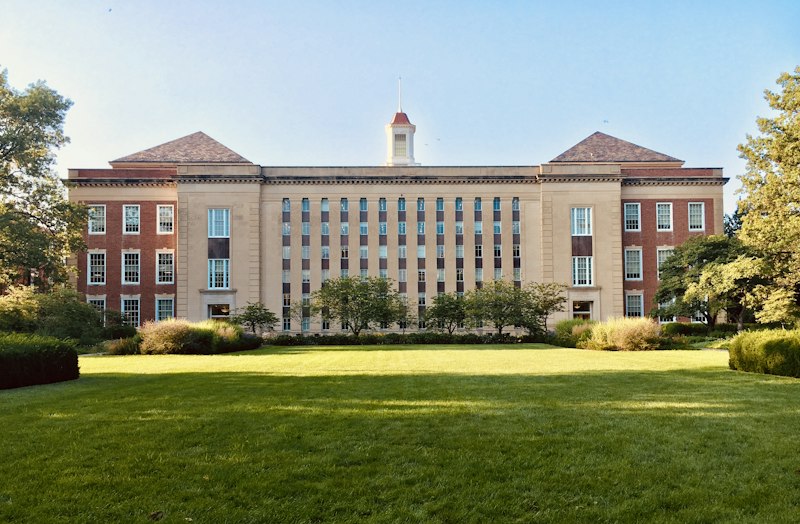
PEI's public college, offering applied programs in culinary arts, tourism, trades, business, IT, and health across multiple campuses. Holland College's culinary arts program is particularly well-regarded, reflecting PEI's world-famous food culture of lobster, potatoes, and farm-to-table cuisine.

Maritime Christian College
A small Christian liberal arts college offering programs in theology, ministry, and general arts. Serves the faith-based educational community in Atlantic Canada.
Sports Teams & Athletic Culture
PEI's sporting culture is proportionally intimate — which doesn't mean casual. The Charlottetown Islanders draw loyal island-wide crowds and golf is taken seriously on a province with more courses per capita than anywhere else in Canada.
 ISLNDS
Charlottetown Islanders
The Islanders play at Eastlink Centre in Charlottetown — a modern arena serving the whole island. Games are among the best-attended in the QMJHL relative to host city size. Charlottetown has 40,000 people and the arena seats over 3,000.
GOLF PEI
PEI Golf Culture
PEI has more golf courses per capita than any other province in Canada. The links-style courses on the north shore and Fox Meadow at Cavendish are regularly ranked among Atlantic Canada's best. Golf is woven into summer life here.
Culture, Arts & Identity
PEI is small enough to have a coherent cultural identity rather than the regional variations of larger provinces. It is a place where everyone knows everyone within two degrees of separation, where the tourism economy and the farming economy coexist in the same landscape, and where Anne of Green Gables has generated both genuine pride and mild exhaustion among those who grew up here.
Anne of Green Gables
L.M. Montgomery's 1908 novel launched a cultural industry that now generates tens of millions in tourism annually. The Green Gables Heritage Place in Cavendish draws visitors from Japan, Korea, the UK and across North America. Japanese tourists in particular have a deep relationship with the story — it has been taught in Japanese schools for decades. The tension between the tourism brand and the literary work it represents is something Island writers and cultural critics think about carefully.
The Birthplace of Confederation
Charlottetown hosted the 1864 conference at which the plan for Canadian Confederation was drafted, earning PEI the title "Birthplace of Confederation." Province House, where the delegates met, is a National Historic Site undergoing restoration. The title sits a little awkwardly given that PEI itself didn't join Confederation until 1873 — six years after the rest, and only after the federal government agreed to ferry service, which later became the Confederation Bridge.
Food Culture
PEI potatoes are the province's most famous agricultural product and a genuine point of pride. The island's sandy red soil and cool climate produce potatoes that chip, bake and mash differently from what you buy in most grocery stores. The lobster fishery opens on a specific date each spring, and the first-day catches are a community event. The region around Malpeque Bay produces oysters that are exported worldwide.
Music and Theatre
The Confederation Centre of the Arts in Charlottetown has been staging the Anne of Green Gables Musical every summer since 1965, making it the longest-running annual musical theatre production in the world. The Charlotte Centre also has a serious visual arts collection and stages year-round theatre that goes well beyond the tourist season. Charlottetown has a live music scene genuinely out of proportion to its size.