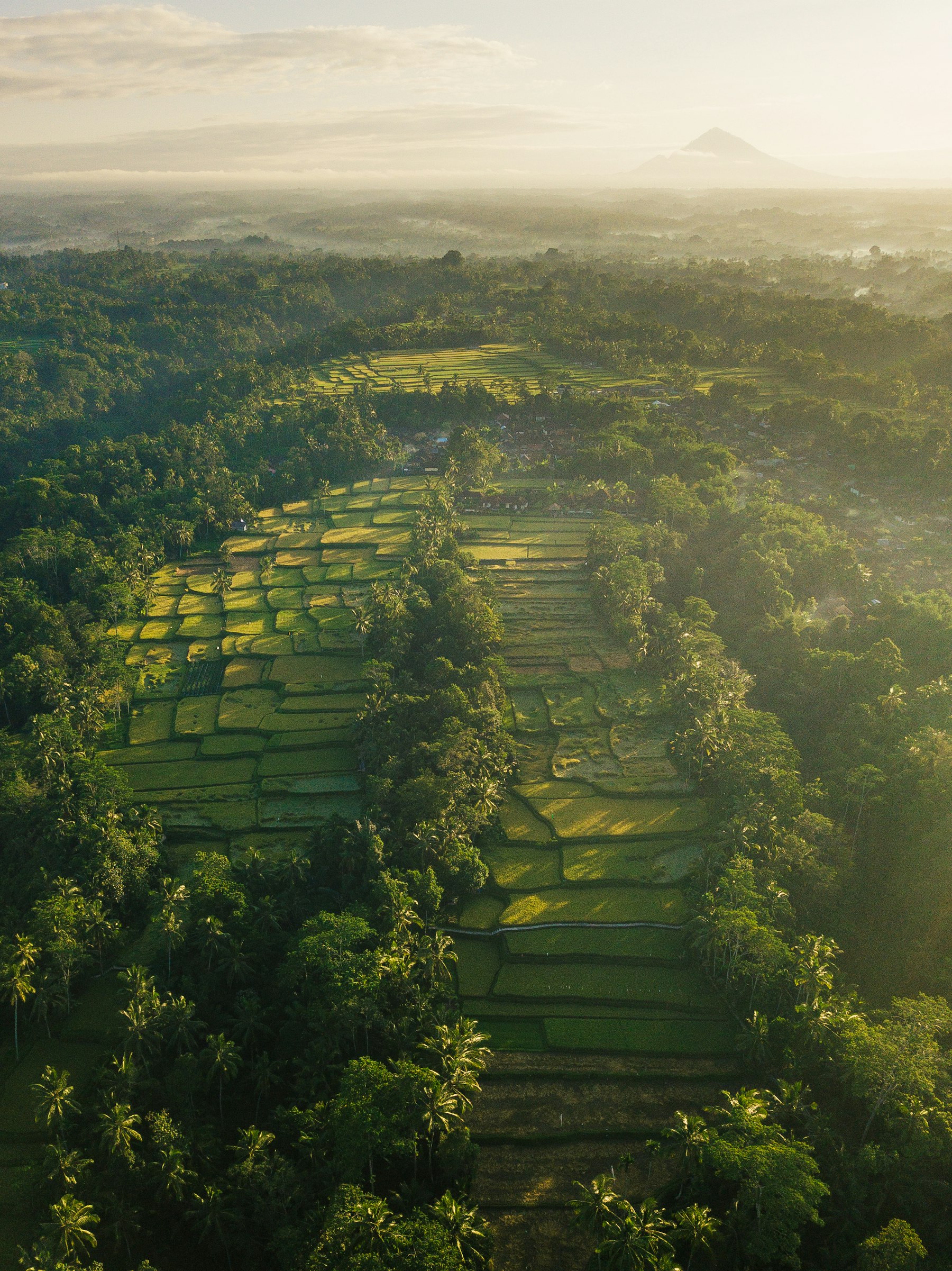
British Columbia — Mountains, Ocean, Rainforest
Capital: Victoria · Population: approximately 5.6 million · Joined Confederation: 1871
British Columbians sometimes joke that BC isn't really a province — it's five or six regions sharing a postcode. The joke has weight. Vancouver is a Pacific Rim city that turns its attention outward toward Seattle, Los Angeles, Tokyo and Shanghai more than toward Toronto or Ottawa. Victoria, on Vancouver Island, is gentler, greener and slower. The Okanagan Valley is wine country with hot summers. The Kootenays, in the southeast, are old mining towns reinvented as yoga retreats. The North is vast, young, and heavily resource-based. If you think of British Columbia as one place, you'll miss most of it.
A Compact History
BC is unusual in Canadian history: it was populated by Indigenous peoples for at least 10,000 years, visited by Spanish and British explorers in the 1770s, claimed by Britain after the Oregon Treaty of 1846, developed primarily during the Fraser River gold rush of 1858, and joined Confederation in 1871 on the promise that a railway would be built to connect it to the rest of the country. That railway — the Canadian Pacific — was finished in 1885 and remains one of the great engineering stories of the 19th century.
The post-war history is a story of waves: a forestry and fishing economy in the 20th century, a Hong Kong migration wave in the 1990s, a tech-and-film boom layered on top of the old resource economy since 2010. The Indigenous history of BC is particularly important to understand because, unlike most of the rest of Canada, almost no historic treaties were signed. The legal status of most of the land is still being worked out through court decisions and modern treaty negotiations.
Vancouver
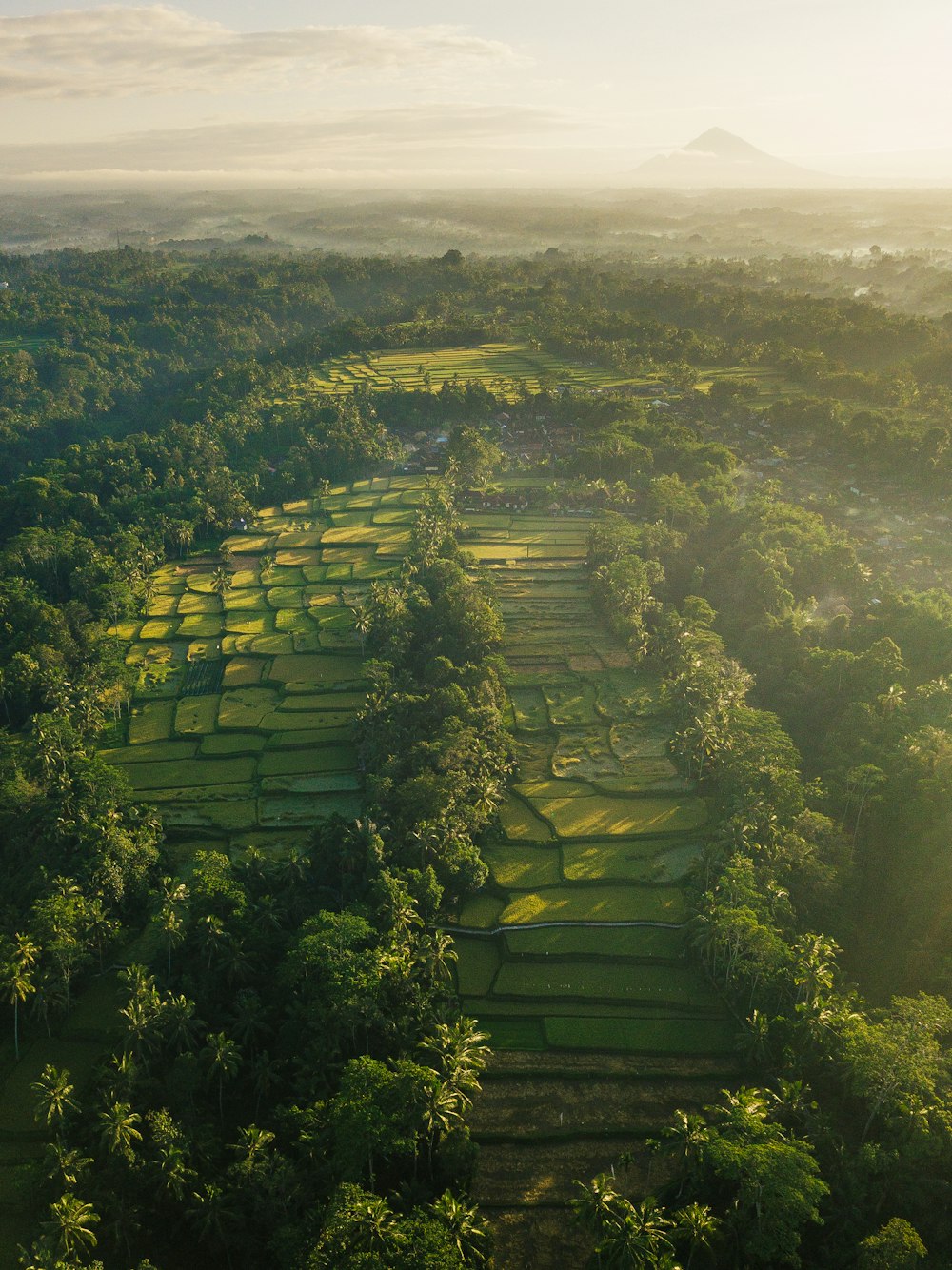
Vancouver is BC's largest city and Canada's third-largest metropolitan area (about 2.8 million in the metro region). It sits on a peninsula between the Burrard Inlet and the Fraser River, with the North Shore mountains rising almost straight out of the harbour. On a clear day it's one of the most dramatically sited cities on Earth.
Is Vancouver as rainy as people say?
In winter, yes. From late October through February, the city receives more than 150 mm of rain per month — roughly double what Seattle gets, despite Seattle's reputation. Summers, by contrast, are startlingly dry: July and August average less than 40 mm of rain per month, with long stretches of sunny, low-humidity weather in the low 20s°C. The "rainy Vancouver" stereotype is a winter stereotype.
What are the best Vancouver neighbourhoods to explore?
The West End, a dense residential neighbourhood between downtown and Stanley Park, is the easiest place for a visitor to spend time: walkable, low-traffic, on the seawall. Gastown, the original 1880s core, has survived its own tourist boom and is now a reasonable place to drink and eat. Chinatown, just east of Gastown, is one of the largest on the continent and has been slowly reviving after a difficult decade. The Downtown Eastside, between Gastown and Chinatown along Hastings Street, has the most visible concentration of homelessness and drug use in the country; it's not dangerous to walk through but it's distressing.
Outside downtown, Kitsilano ("Kits") is the beach-and-yoga neighbourhood on the south side of English Bay. Main Street in South Vancouver is where the independent restaurants have been migrating for fifteen years. Commercial Drive ("The Drive") is the old Italian neighbourhood that became the lefty-bohemian neighbourhood and is now somewhere in between. Richmond, just south of the city, has one of the largest and best Chinese food scenes outside Asia.
How expensive is Vancouver?
At least as expensive as Toronto, often more so. A one-bedroom apartment in the West End rents for CAD $2,400 to $2,900 per month in early 2026. The benchmark detached house in the city of Vancouver is above CAD $2 million. Groceries, transit, and restaurants are broadly in line with Toronto. The 12 percent combined PST/GST applies at most retail purchases.
Do I need a car in Vancouver?
No, not for the downtown and immediately adjacent neighbourhoods. The SkyTrain is fast, clean, and reaches the airport and Richmond. The bus network is dense. If you're heading to Whistler, the Sunshine Coast, or up the Fraser Valley, a car makes things simpler; renting for a day or two is fine.
Is Stanley Park worth the hype?
Yes. It's 400 hectares of largely intact old-growth rainforest (some trees are more than 500 years old), bordered by a 10-kilometre seawall that loops the whole park. You can walk it, run it, or rent a bike from the rental shops at the entrance. Allow three hours to cycle around it and stop at the lighthouse and the collection of totem poles (the most-photographed tourist attraction in BC, by some measures).
What about the Capilano Suspension Bridge?
It's a reasonable experience but it costs about CAD $75 per adult and the crowds are real. If you want a similar experience for free, the Lynn Canyon Suspension Bridge is a 10-minute drive further east, it's 20 metres shorter, and it's in a better canyon. Locals send visitors to Lynn Canyon when the visitors are smart enough to ask first.
Is Vancouver really a "No Fun City"?
That's a local joke about a pattern of restrictive liquor licensing, early nightclub closures, and a planning culture that doesn't love patios or street festivals. It's been easing since the mid-2010s. The city has a real food scene now, a strong craft beer scene, and a lively summer festival calendar, but it's still not Montreal or New Orleans.
Victoria
Victoria is BC's capital, on the southern tip of Vancouver Island. Population is about 397,000 in the metro area — smaller than most visitors expect. It's a ferry ride or a float-plane flight from Vancouver (1 hour 35 minutes on BC Ferries plus the drive; 35 minutes in the air from harbour to harbour).
Why is the capital on an island?
Historical accident. Victoria was the capital of the British colony of Vancouver Island before BC joined Confederation in 1871, and the capital simply stayed there. By the 1890s it was clear that the mainland would outgrow the island, but by then the provincial legislature had built its permanent home on the Inner Harbour and the move would have been politically impossible.
What's Victoria known for?
Gardens, tea, and retirees. Butchart Gardens, 20 minutes north of the city, is a genuinely impressive set of formal gardens built in an old limestone quarry. Afternoon tea at the Empress Hotel has been running since 1908. The downtown is walkable, the climate is the mildest in Canada (Victoria averages fewer than 10 days below freezing a year), and for a long time it was the most-retired city in the country. That's changed — the tech sector, especially at the University of Victoria, has pulled down the average age significantly since 2010.
Is Victoria worth visiting on its own?
For one or two days as part of a Vancouver Island trip, yes. For a full week, not really — you'd want to get out to Tofino on the west coast, or up the island to Campbell River, or hike the West Coast Trail. Victoria is a charming gateway, not a destination in itself.
Whistler
Whistler is a mountain town about 120 km north of Vancouver on the Sea-to-Sky Highway, population about 14,000 but a peak-season visitor load that pushes the functioning population above 50,000. It's North America's largest ski resort by skiable terrain.
When should I go to Whistler?
Depends what you want. Ski season runs late November to mid-April, with reliable snow from January on. The Peak 2 Peak gondola between Whistler and Blackcomb is in operation. Summer (June through September) is the underrated season — hiking, mountain biking in the Whistler Mountain Bike Park (one of the best in the world), and a weather pattern that's often drier and warmer than Vancouver's. Avoid late April to early June and late October to mid-November; the resort is in shoulder-season shutdown.
Is Whistler expensive?
Yes. Lift tickets run CAD $150-$200 per day in the peak season; a two-bedroom condo for a week in February runs CAD $3,000 and up. Most people who ski here regularly buy an Epic Pass or an Ikon Pass in spring for the following winter, which brings the day cost down dramatically.
Can I do Whistler as a day trip from Vancouver?
Yes. The Sea-to-Sky Highway is one of the most scenic drives in Canada (allow 2 hours each way). Coach services run every couple of hours. If you're only going once, staying overnight is worth it for a dinner in the village, but a day trip works.
The Okanagan (Kelowna & Penticton)
The Okanagan is a 200-kilometre-long valley of lakes in the BC interior, about five hours' drive from Vancouver. It's the main wine region in western Canada (about 200 wineries, centred between Osoyoos in the south and Vernon in the north), the hottest summer destination in the province (daily highs regularly above 32°C in July and August), and increasingly a retirement magnet.
What should I actually do in the Okanagan?
Drive the wineries. Swim in Okanagan Lake. Eat the stone fruit — peaches, cherries, apricots — that comes off the orchards from mid-July through August. Hike in one of the provincial parks (Cathedral, Skaha Bluffs). Go to the Penticton Peach Festival in August if you like small-town festivals. Stay away in August if you don't like wildfire smoke; since 2018 the Okanagan has lost entire summers to smoke drift from nearby fires, and it's likely to keep happening.
Prince George & the North
Prince George, at the geographic centre of the province, is the largest city in northern BC (about 80,000 people). It's a forestry, rail and university town, and the gateway to everything north of it: the Cariboo, the Nechako plateau, the Rocky Mountain foothills, and the long drive up Highway 16 (the Yellowhead) or Highway 97 (towards the Yukon).
Further north, Prince Rupert is the port city at the terminus of the Yellowhead Highway, a nine-hour drive from Prince George through some of the most spectacular river country in the country. Ferries leave from here for Haida Gwaii and for the Alaska Marine Highway. It's a serious trip even now, and that's part of its appeal.
Tofino & the West Coast
Tofino is a small town of about 2,500 on the Pacific side of Vancouver Island, roughly a four-hour drive from Victoria. It's known for cold-water surfing (wetsuit required year-round), the long sweep of Long Beach, and storm-watching in winter when Pacific storms hit the coast with genuine force. The Wickaninnish Inn popularized winter storm-watching in the 1990s; the weather is the attraction. Reservations are required for almost everything in summer, and should be made three to six months in advance.
British Columbia FAQs
How do I get from Vancouver to Victoria?
Three options. BC Ferries runs about every hour from Tsawwassen (45 minutes from downtown Vancouver) to Swartz Bay (30 minutes from Victoria); the sailing is 1 hour 35 minutes and the whole door-to-door trip is about four hours. Harbour Air runs float planes from the Vancouver Harbour to Victoria Harbour in 35 minutes. Helijet runs helicopters on a similar route. For a first-time visitor, take the ferry once — the route through Active Pass is genuinely beautiful.
What's PST in British Columbia?
7 percent Provincial Sales Tax, on top of 5 percent federal GST, for a combined 12 percent. It applies to most retail goods but not to most groceries or restaurant meals (restaurant meals are GST-only at 5 percent). Hotel rooms carry additional municipal and tourism levies, bringing the total on a hotel bill to around 15 to 17 percent depending on the city.
Is cannabis legal in BC?
Yes, it's federally legal across Canada since October 2018 and sold through provincial retailers (BC Cannabis Stores) and licensed private stores. Age limit is 19 in BC. Public consumption rules are similar to smoking tobacco: not within six metres of a doorway, not in parks where tobacco is also banned, not on school grounds.
Are there bears in BC cities?
Sometimes. Vancouver itself almost never; the suburbs of North Vancouver, West Vancouver and Coquitlam regularly. Whistler, yes. Any trash can left out the night before pickup is a potential bear attractant, which is why there are strict garbage rules in mountain towns. Carry bear spray on trails outside the Lower Mainland; black bears almost never attack humans but it's worth being prepared.
What's the best scenic drive in BC?
Two tie for first. The Sea-to-Sky Highway (Vancouver to Whistler and on to Pemberton) is the most accessible. The Icefields Parkway, technically in Alberta but easily reached from the BC side at the Yoho National Park boundary, is the most spectacular. For something less touristed, the Duffey Lake Road from Pemberton to Lillooet, or the Stewart-Cassiar Highway (37) from the Yellowhead to the Yukon.
Can I see whales from Vancouver?
Sometimes from shore (especially orcas off the south side of the Gulf Islands), but reliably only by boat. Day tours from Vancouver, Victoria and Tofino run from May through October. Best months for orcas are May and June; humpbacks are usually later in the summer.
Education & Post-Secondary Institutions
British Columbia has one of Canada's most diverse and internationally recognized post-secondary systems, from globally ranked research universities in Vancouver and Victoria to specialized art colleges, indigenous institutes, and regional colleges serving every corner of the province.
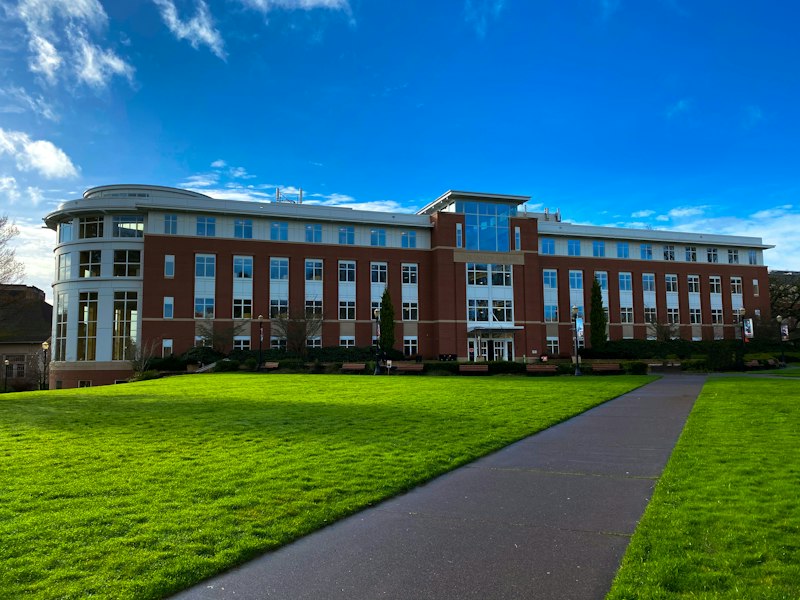
University of British Columbia (UBC)
Consistently ranked among the top 40 universities in the world, UBC is BC's flagship institution. Internationally renowned for medicine, law, forestry, computer science, and the Sauder School of Business. The Vancouver campus on Point Grey is one of the most scenic university campuses in North America. UBC's Okanagan campus in Kelowna serves the interior.
Simon Fraser University (SFU)
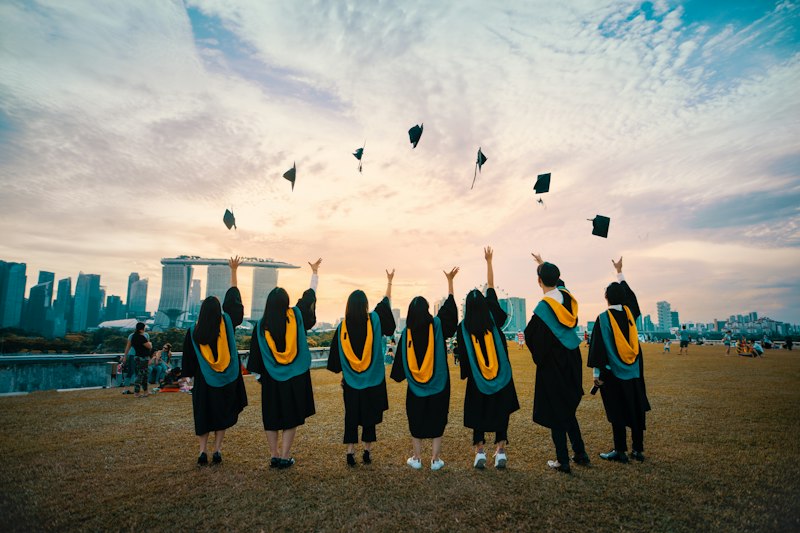
Known for its distinctive brutalist mountaintop campus in Burnaby and strong programs in computing science, criminology, business, and the arts. SFU pioneered the co-operative education model in Canada and is consistently among Canada's top comprehensive universities. Its Vancouver and Surrey campuses serve the urban core.

University of Victoria (UVic)
Ranked among Canada's top research universities, UVic is known for ocean science and climate research, law, education, Indigenous studies, and fine arts. Its co-op program is one of the largest in Canada. The campus, surrounded by Garry oaks, is one of the most beautiful in the country.
British Columbia Institute of Technology (BCIT)
BC's leading polytechnic, offering industry-focused programs in engineering technology, computing, health sciences, business, and trades. BCIT graduates have among the highest employment rates and starting salaries of any post-secondary institution in BC. Its aviation and marine programs are nationally recognized.

Emily Carr University of Art + Design
Canada's leading art and design university, named after the iconic BC painter. Known for fine arts, industrial design, media arts, and animation. Emily Carr has a long tradition of producing influential Canadian artists, designers, and filmmakers. Its stunning Great Northern Way campus opened in 2017.
Kwantlen Polytechnic University (KPU)
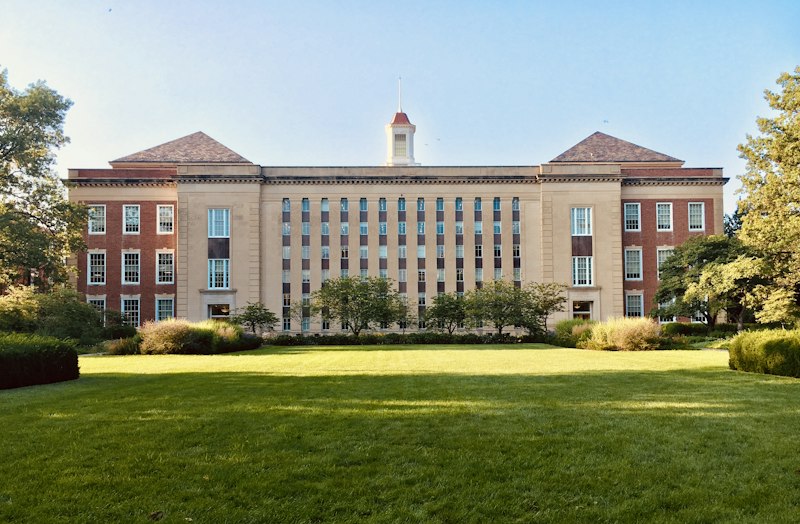
The Lower Mainland's comprehensive polytechnic university, offering unique combinations of applied degrees, trades, and academic programs. KPU's horticulture, design, and brewing programs are among the most innovative in western Canada.
Sports Teams & Athletic Culture
British Columbia's sports culture is shaped by hockey, soccer and the mountains. Vancouver carries three major North American professional leagues, and the province's outdoor recreation culture is as competitive as any organized sport.
 CANX
CANX
Vancouver Canucks
The Canucks have come agonizingly close to the Cup — the 1982 and 1994 Finals runs are provincial mythology. Rogers Arena sells out every game and the team is central to Vancouver's identity in a way few franchises achieve anywhere in North America.
 B.C.L
B.C.L
BC Lions
The Lions play at BC Place, the domed stadium on False Creek. Seven Grey Cup championships and their orange-and-black colours are a fixture of Vancouver autumn weekends. Fans drive from the Okanagan and Vancouver Island to fill the stadium.
 VWFC
VWFC
Vancouver Whitecaps FC
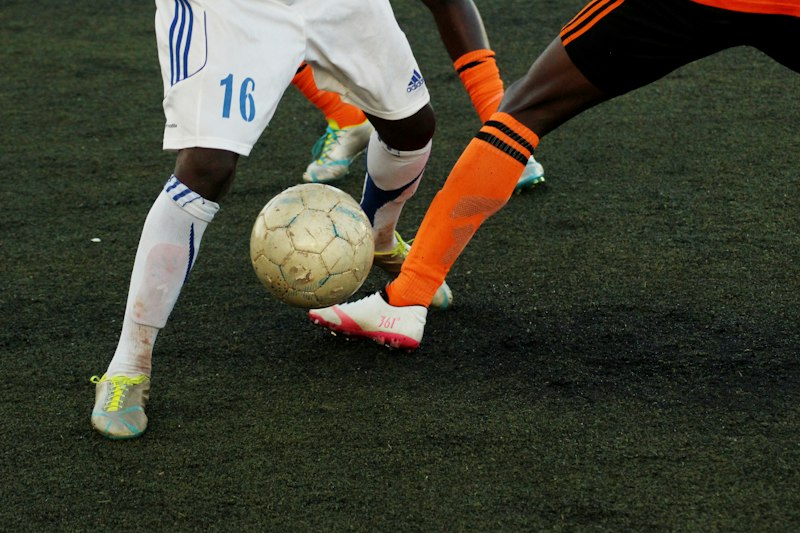
The Whitecaps built a genuine fanbase since joining MLS. BC Place's compact lower bowl creates strong atmosphere and the club's academy has produced several Canadian national team players.
GIANTS
Vancouver Giants
Junior hockey at the Langley Events Centre. The Giants have produced a string of NHL first-round picks and their games offer a more intimate, affordable way to watch elite young hockey than anything Rogers Arena offers.
 BNDTS
BNDTS
Fraser Valley Bandits
The Bandits compete in the Canadian Elite Basketball League and regularly lead the country in CEBL attendance. Basketball is growing quickly in BC, driven by the province's Filipino-Canadian and South Asian communities.
Culture, Arts & Identity
British Columbia sits at the meeting point of Indigenous Pacific Northwest cultures, British colonial heritage, waves of Chinese, South Asian and Japanese immigration, and more recent arrivals from everywhere. Vancouver is one of the most genuinely multicultural cities in the world, not as a slogan but as a daily lived reality.
First Nations of the Pacific Northwest
The Coast Salish, Haida, Kwakwaka'wakw, Nisga'a and dozens of other First Nations are the original peoples of this territory. Their art forms — button blankets, carved cedar poles, bentwood boxes — are among the most visually distinctive in the world. The UBC Museum of Anthropology in Vancouver houses one of the finest collections of Northwest Coast art anywhere, displayed in a building designed by Arthur Erickson that frames the outdoor totem poles against the mountains and sea.
Chinese-Canadian Vancouver
By numbers, Vancouver's Chinese-Canadian community is the largest in the country. Richmond, immediately south of Vancouver, is often called the most Chinese city outside China itself — its malls, signs and restaurants operate primarily in Cantonese and Mandarin. The communities that arrived in successive waves — the railway workers of the 1880s, the Hong Kong immigrants of the 1980s and 1990s, the mainland Chinese arrivals of the 2000s and 2010s — have each shaped the city differently.
The Outdoor Culture
No province takes outdoor recreation as seriously as BC. The Whistler Blackcomb ski resort is the largest in North America. The North Shore mountains above Vancouver are threaded with mountain bike trails whose difficulty ratings have become a global benchmark. Sea-to-Sky Country, the Sea to Sky Gondola, the Sunshine Coast — the landscape is so overwhelming that even longtime Vancouverites occasionally stop and stare at the view.
Film and Music
The Lower Mainland has been one of North America's major film production hubs since the 1990s. Tax incentives drew American studios north and created a substantial local industry. Vancouver plays itself in relatively few productions but plays Seattle, Portland, New York and dozens of fictional North American cities in hundreds of others. The music scene is dense: from 54-40 and k.d. lang to Nelly Furtado and Arcade Fire's Régine Chassagne.